Commercial Waste in Seven Sisters

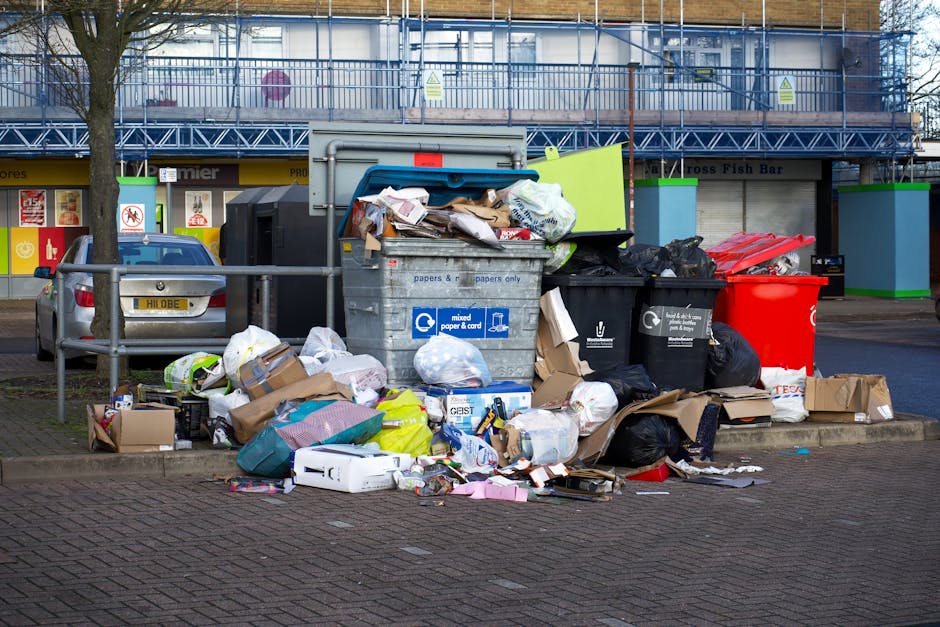
Commercial waste in Seven Sisters needs a clear, practical service that keeps business premises moving without unnecessary disruption. We handle regular and one-off waste removal for workplaces that want tidy collection, sensible segregation and a straightforward route to arranging disposal. The service is built around everyday commercial needs, from mixed office rubbish and packaging to heavier bulky items that are awkward to shift internally.
For many organisations, the main requirement is not just taking things away; it is keeping the process orderly. That means sorting waste sensibly, handling loads with care and offering a simple way to request a quotation before work is booked. If you are comparing options, start by identifying the type of waste, how often it builds up and whether access is straightforward. You can then ask for a quote with a clearer picture of the job.
Our commercial waste removal approach is designed for varied business settings, including offices, shops, hospitality premises, managed buildings and workspaces with stored items that need clearing. We can support planned clear-outs as well as recurring collections where the same premises generate ongoing waste that should not be left to accumulate. Use our service to keep storage areas, back rooms and workspaces more manageable.
Waste Removal for Business Premises
Business waste removal is often most useful when it is planned around actual site conditions rather than treated as a one-size job. Different premises create different waste streams, and those streams can include packaging, paper, broken fixtures, obsolete stock, shelving, mixed rubbish and general debris. The right collection method depends on volume, weight, access and how much separation is needed before removal begins.
We provide a practical service for businesses that need waste taken away from inside or around a premises, with attention to handling and loading rather than leaving everything to the customer. In commercial settings, a tidy removal process matters because it helps avoid cluttered corridors, overloaded storage and unnecessary interruption to staff. If you have items to clear from a working environment, we can help turn that into a straightforward, organised job. Business waste removal is one of the clearest starting points when the waste comes from day-to-day trading rather than a domestic clear-out.
Typical jobs may involve a few bulky items, multiple sacks of mixed rubbish or a larger accumulation that needs sorting before disposal. It helps to decide whether materials are mostly light, heavy, recyclable or awkward to carry, because that affects loading time and the number of people required. A good quotation should reflect the actual work involved, not just the existence of waste on site.
What We Clear and How We Work

The service can cover general commercial rubbish, furniture, office contents and other non-hazardous items that no longer serve a purpose in the workplace. In practical terms, this often means desks, chairs, small cabinets, packaging, file storage, bagged waste and other objects that are taking up room. We focus on removing items efficiently while keeping the premises as orderly as possible during the process.
For jobs where the waste is tied to a property change, a refit or a staged de-clutter, the best approach is to keep the scope clear. That helps separate ordinary rubbish from items that need special handling and makes it easier to decide whether individual loads or a fuller clearance is more suitable. Where useful, office clearance can support the removal of desks, chairs and other workplace contents that are no longer needed.
Three simple points usually make the quotation process easier:
- what type of waste needs removing
- how much space it occupies
- whether access involves stairs, lifts or restricted loading
Commercial Clearance Options
Some premises need targeted clearance rather than repeated small removals. That might mean clearing a stockroom, emptying unused furniture from a back office or removing bulky items that have been stored too long. Commercial clearance works best when the job is defined clearly, because the collection plan can then match the exact volume and layout of the space.
Different businesses also need different timeframes. A managed building may want a single organised removal before contractors arrive, while a shop may prefer a tidy out-of-hours arrangement for accumulated waste and old display items. If the job includes old fixtures, furniture or mixed contents, the work can be shaped to the items actually present. Flat clearance is not the right fit for every commercial site, but the page title shows how a detailed clearance service can be organised around a specific type of space.
Where waste is bulky, awkward or mixed with reusable items, it is sensible to separate what remains on site from what should leave. This reduces confusion and helps avoid moving objects twice. A clear plan also makes it easier to compare a simple removal with a fuller clearance, especially when a business wants a room or storage area handed back in a more usable condition.
Furniture and Fixtures

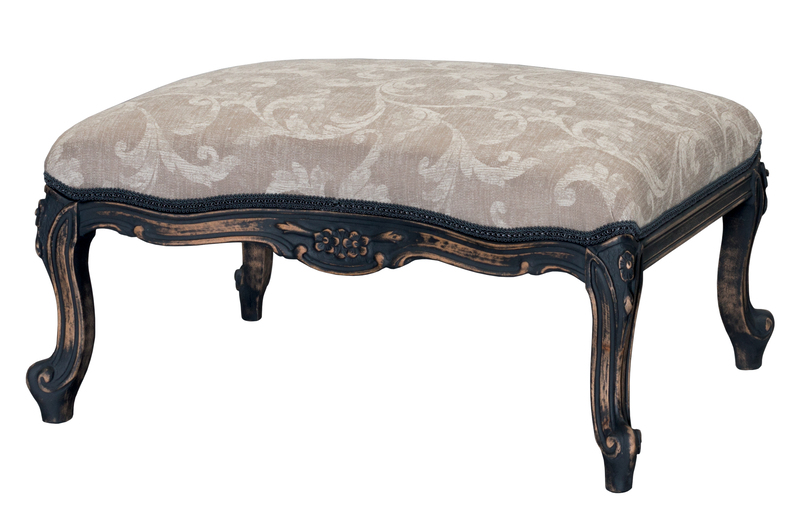
Furniture is one of the most common categories in commercial waste work, especially when workplaces refresh layouts or replace worn items. Chairs, desks, cabinets, tables and shelving can quickly become difficult to store if they are no longer required. We can help remove these items as part of a wider waste collection or as a more focused furniture job, depending on what is present at the property.
Where furniture disposal is the main task, the condition, size and quantity of the items all affect how the work is priced and organised. Flat-pack items, heavy solid pieces and mixed loads do not always need the same handling, so a quotation should take account of lifting, carrying and any dismantling involved. If the job is specifically about larger items, Furniture disposal is a relevant page to review before asking for a quote.
Businesses often have a mix of furniture and general waste rather than one clean category, and that is perfectly normal. The service can accommodate that mix so long as the scope is described clearly. This is especially useful when old furniture, broken fittings and loose rubbish have built up together in the same room or storage area.
Office Waste and Records
Office waste often includes paper, packaging, filing materials, obsolete equipment, small fixtures and worn furniture, all of which can accumulate gradually until the workspace feels crowded. A professional removal helps restore usable space without forcing staff to spend time moving heavy or awkward items themselves. The emphasis is on orderly clearance and sensible sorting rather than simply hauling everything away without thought.
Some office jobs also involve sensitive paper or records that should not be mixed in with general rubbish. In those cases, a specific shredding service may be relevant alongside the main waste collection. If confidential paperwork is part of the job, confidential shredding can support a more careful approach to disposal while other items are removed separately.
Office waste work is often easiest when the customer identifies which areas are to be cleared and which items are to remain in use. That keeps desks, equipment and storage organised during the job and reduces the chance of removing something that is still needed. It also gives a more accurate basis for any quotation because the load and labour can be judged properly.
Bulky Items and Appliance Removal

Commercial premises sometimes generate waste that is too heavy or awkward for ordinary internal handling. That can include broken appliances, old refrigeration units, mattresses stored in guest areas, bulky seating or other oversized goods that need controlled removal. These items can be inconvenient in back corridors, storage rooms and staff areas, so their removal is often as much about access and safety as about disposal itself.
Where a job includes a mix of bulky waste and general rubbish, it helps to separate the larger items at the quotation stage. A fridge, mattress or sofa requires different handling from bags of light waste or paper. If those items are the main concern, the relevant pages are available: fridge and appliance removal and mattress and sofa disposal. Each supports a more specific kind of clearance.
Heavy or awkward items are usually best dealt with as part of a planned collection rather than left until they become a blockage. If you know they are present, mention them when requesting a quotation so the loading plan reflects the true work. That keeps the process realistic and avoids surprises on the day.
Specialist and Careful Handling
Not every waste category belongs in the same collection. Some materials need extra caution, additional segregation or a different route altogether. In commercial settings this may involve items that are potentially hazardous, require secure disposal or are simply awkward enough to need a more careful plan than mixed waste. A sensible service will distinguish between standard refuse and items that require specialist handling.
When the waste includes materials outside ordinary commercial rubbish, it is better to discuss the category in advance and match it to the correct service. That may mean separating hazardous items from the main load, deciding whether anything must stay on site for compliance reasons or choosing a different collection type. Hazardous waste disposal is available where the material needs a more specific approach than general removal.
Useful preparation here is about clarity rather than effort. A short description of the items, their condition and where they are stored usually gives enough information for a meaningful quotation. If the items are mixed, it is better to say so than to simplify the description and risk an inaccurate estimate. Accuracy helps everyone plan the work properly.
Seven Sisters as a Busy North London Area

Seven Sisters is a district in north London within the London Borough of Haringey, centred around the junction where the A10 meets Seven Sisters Road and the wider area around Seven Sisters station. The district takes its name from a group of seven elm trees that once stood nearby, a historical reference that has remained attached to the locality even as the surrounding streets changed through later development. Today it forms part of a lively urban corridor connecting Tottenham, Stamford Hill and other parts of north London.
The area sits close to the River Lea valley and benefits from transport links that have long shaped movement through the district. Seven Sisters station is an interchange on the Victoria line and the London Overground network, making the place a recognisable node in the capital’s public transport geography. The nearby streets include a mix of older terraces, post-war building and later commercial premises, reflecting different layers of London’s growth. Retail frontages, markets and local services contribute to the everyday character of the area, while surrounding neighbourhoods add to its varied urban identity.
Seven Sisters also lies within reach of larger green spaces and notable north London landmarks, including the broader Tottenham and Harringay districts and the waterways and parkland associated with the Lea valley. Its built environment is typically dense and varied, with residential streets, arterial roads and commercial stretches sitting side by side. That combination gives the district a busy metropolitan feel, with a local history that still shows through its name, transport links and long-standing role as part of north London’s everyday fabric.
Pricing, Planning and Access
Commercial waste quotations depend on a few practical factors rather than on a single fixed formula. Volume, item type, weight, loading difficulty and access all matter, as does whether the job is a simple removal or a more involved clearance. For that reason, a clear description of the waste usually gives a more useful estimate than a vague summary. If a site has stairs, narrow corridors or limited loading space, mention that early.
When possible, group waste by type before the collection. That may mean separating furniture from loose rubbish, keeping records apart from general waste and identifying anything fragile or especially heavy. A short inventory can help, particularly for mixed commercial jobs where several categories are involved. If you want to compare options before booking, pricing and quotes is a sensible page to review alongside the service pages relevant to your items.
Plain preparation is usually enough. You do not need to overcomplicate the request; just make the main load, access conditions and preferred timing clear. If the waste is spread across several rooms, note that too. That gives a better basis for planning and helps the quotation reflect the real scope of the work.
Arrange a Commercial Waste Quote
Whether you are clearing a single office, arranging an end-of-tenancy business clearance or dealing with regular commercial rubbish, the aim is the same: a tidy, workable solution that fits the site and the waste type. We can support one-off removals and more structured clearances, with service choices matched to the materials in question rather than an assumed standard load. The more clearly the job is described, the more useful the quotation can be.
If you are ready to move forward, ask for a quotation and explain what needs removing, where it is located and any access details that may affect the work. Where a dedicated contact route is useful, use contact us to make the next step straightforward. You can also say if the waste is mainly furniture, office contents, mixed rubbish or something more specialist, so the right service can be matched to the job.
Need commercial waste removed in Seven Sisters? Start with a simple description of the items and the space, then request a quote when you are ready. A clear enquiry is the quickest way to shape a sensible plan and decide how the work should be carried out.